













 Profile
- Koji Murata (Speaker: Commemorative Lecture)
-
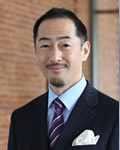
Professor, Faculty of Law, Doshisha University
Born in Kobe, Hyogo Prefecture. He graduated from the Faculty of Law at Doshisha University in 1987. Between 1991 and 1995, he studied at George Washington University in the United States, earning an M.Phil. in Political Science. In 1995, he completed the doctoral program in International Relations at the Graduate School of Law, Kobe University, and began his academic career as a full-time lecturer in American Studies at the Faculty of Integrated Arts and Sciences, Hiroshima University. He earned a Ph.D. in Political Science from Kobe University in 1998. In 1999, he became an assistant professor at Hiroshima University. In 2000, he joined the Faculty of Law at Doshisha University as an associate professor, specializing in the history of foreign policy and national security policy. He was promoted to professor in 2005. He served as Dean of the Faculty of Law from 2011 to 2013 and as President of Doshisha University from 2013 to 2016. From 2013 to 2016, he served as a director of the Tokyo Foundation. He was a member of the NHK Broadcasting Committee from 2018 to 2025, acting as chair from 2019 to 2024. He contributed as an advisor to the Ministry of Defense from 2019 to 2020. Since 2023, he has been serving as the Vice President of the International Security Studies Association. He has received several prestigious awards, including the Yomiuri Forum Newcomer Award, the Shimizu Hiroshi Award of the Japanese Association for American Studies, the Suntory Prize, and the Yoshida Shigeru Prize. His major publication is "The 50-Year History of U.S. Presidents: From Ford to Biden" (Shincho Sensho, 2024).
- Shigeyuki Abe(Speaker: Commemorative Lecture)
-
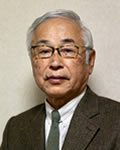
Advisor, Hyogo Earthquake Memorial 21st Century Research Institute
He obtained a B.A. in Economics from Osaka University, and pursued further studies with a Master's and Ph.D. from the University of Hawaii under the East West Center Scholarship program. Throughout his career, he has held professorial positions at several institutions including UN ESCAP, Kyoto Sangyo University, Kobe University, Kyoto University, and Doshisha University. Additionally, he has served as a visiting professor at esteemed institutions such as the OECD, SOAS, Brandeis University, Peking University, University of Hawaii, East West Center, Thammasat University, Chulalongkorn University, ISEAS, among others. Since 2018, he has assumed the role of counselor at the Center for Strategic Studies of the 21st Century Research Organization. He holds the position of professor emeritus at Doshisha University and an affiliated professor at the Center for Southeast Asian Studies, Kyoto University. His scholarly contributions include books such as "Japan-Why It Works, Why It Doesn't" (1997), "Asian Economic Studies" (1998), "The Trade Investment Nexus" (2000), and "Emerging Developments in East Asia FTA/EPAs" (2007). He has published many papers in major journals in Asian economics. He is a leading member of the East Asian Economic Association, where he served for many years as vice president and editor-in-chief of the Asian Economic Journal.
- Keiko Yoshioka (Speaker: Keynote Proposal)
-
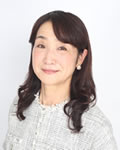
Columnist and Editorial Committee Member, The Asahi Shimbun
She is one of the writers of the morning newspaper column ‘Sunday Thoughts.’ After working as an announcer for RSK Sanyo Broadcasting, she joined the Asahi Shimbun in 1989. After covering mainly economics in Tokyo and Osaka, she has long been based in Beijing, Shanghai, and Bangkok, covering Japan’s relations with China and the rest of the world. Her books include: Tetsudo to Aikoku [Railways and Patriotism] (Iwanami Shoten), Jinmingen no Kobo [The Rise and Fall of the RMB] (Shogakukan), Mondo Yuyo [Useful Questions and Answers] (Iwanami Shoten), and Aikoku Keizai [Patriotic Economy] (Asahi Shimbun Publications).
- Chizuko Ueno (Speaker: Keynote Proposal)
-
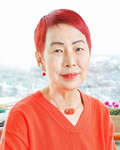
Professor Emeritus, University of Tokyo/Chairperson, Women's Action Network (WAN)/ Representative Director, Chizuko Ueno Foundation
Born in Toyama Prefecture in 1948. She completed a PhD in Sociology at Kyoto University. Doctor of Sociology. She has served as an associate professor at Heian Jogakuin Junior College, a visiting researcher at the Department of Anthropology at the University of Chicago, and an associate professor at Kyoto Seika University. She has also been a visiting professor at the University of Bonn, Columbia University, and El Colegio de México. She became associate professor at the Faculty of Letters, University of Tokyo in 1993, and professor at the Graduate School of Humanities and Sociology in 1995 at the same university. Subsequently, she became special visiting professor at Ritsumeikan University in 2012. Former member of the Science Council of Japan. Her specialties include women's studies and gender studies, and her research topics also include elderly care and support. Her publications include: Tojisya Shuken [Individual Autonomy] (co-authored with Shoji Nakanishi; Iwanami Shinsho), Kea no Shakaigaku [The Sociology of Care] (Ohta Publishing), Ohitorisama no Rogo [Living Alone in Old Age] (Hoken), Otoko Ohitorisama Doh [The Path to Old Age for Single Men] (Hoken), Ohitorisama no Saigo [End of Life for the Single Person] (Asahi Shimbun Publishing), Onnanoko wa Doh Ikiruka, Oshiete Ueno Sensei [Prof. Ueno, Tell Us How Girls Should Live!] (Iwanami Junior Shinsho), Zaitaku Hitorishi no Susume [Recommending Dying Alone at Home] (Bunshun Shinsho), Feminizumu ga Hiraita Michi [The Path Opened by Feminism] (NHK Publishing), Ohitorisama no Gyakushu [The Counterattack of the Single Person] (co-authored with Misato Kojima; Business-sha), Shijo Saiakuno Kaigohoken Kaitei?! [The Worst Long-Term Care Insurance Reform in History?!] (co-authored and edited with Keiko Higuchi; Iwanami Booklet), Ueno Chizuko ga Motto Bungaku o Shakaigaku Suru [Chizoko Ueno’s Sociological perspectives on Literature Vol. 2] (Asahi Shimbun Publications), Saigo wa Hitori [Alone at the End] (co-authored with Keiko Higuchi; Magazine House), Ohitorisama no Rogo ga Abunai! [Dangers of Elderly Living Alone!] (co-authored with Mitsuko Takaguchi; Shueisha Shinsho); Konna Yononaka ni Darega Shita [Who Made This World the Way It Is?] (Kobunsha), Chosen Suru Feminism [Challenging Feminism] (co-authored and edited with Yumiko Ehara; Yuhikaku Publishing), Mainar Noto De [In Minor Notes] (NHK Publishing), and Tojisya Shuken, Zoho Shinpan [Individual Autonomy, New and Expanded Edition] (co-authored with Shoji Nakanishi; Iwanami Shoten), Anchi Anchieijingu no Shiso: Beauvoir “Oi” o Yomu [Anti Anti-Aging Thinking: Reading Simone de Beauvoir's The Coming of Age] (Misuzu Shobo).
- Yoshiteru Murosaki (Speaker: Keynote Proposal)
-
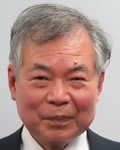
Professor Emeritus, Kobe University
Born in Hyogo Prefecture in 1944. He graduated from the Department of Architecture, Faculty of Engineering, Kyoto University, and received his Doctor of Engineering degree. Before taking up his current post, he served as professor at the Research Center for Urban Safety and Security, Kobe University; President of National Research Institute of Fire and Disaster; Director of the Institute of Disaster Area Revitalization, Regrowth and Governance, Kwansei Gakuin University; and Dean of the Graduate School of Disaster Resilience and Governance, University of Hyogo. Additionally, he has served in various roles, including President of the Japan Society of Community Disaster Management Plan, President of the Japan Disaster Prevention Specialist Association, President of the Hyogo Voluntary Plaza, and Representative Director of CODE (Citizens towards Overseas Disaster Emergency). He has received numerous awards, including Commendation by the Prime Minister for Disaster Prevention, the Kobe Shimbun Peace Prize, and the NHK Broadcasting Culture Award. He specializes in fire safety in architecture, urban disaster management, and disaster risk reduction and recovery. He is committed to approaching disasters with a field-based and holistic perspective.

